South Korea’s Space Victory: Another Major Success from the Nuri Rocket

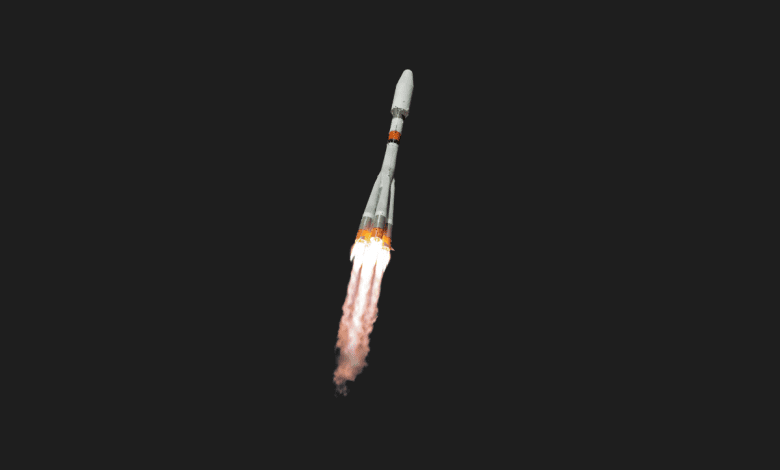

South Korea‘s fully indigenous Nuri rocket carried the CAS500-3 observation satellite and 12 cube satellites to orbit on its fourth flight. The first launch following the establishment of KASA (Korea AeroSpace Administration) also indicates Korea‘s transition to private sector integration in the space industry.
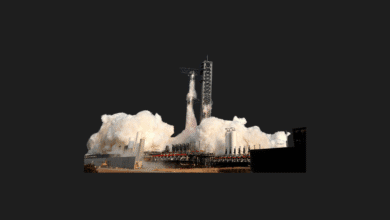
South Korea‘s Nuri rocket, developed entirely with domestic capabilities, successfully completed its flight for the fourth time. Launched from the Naro Space Center at 01:13 AM on November 27 Korean Standard Time (19:13 on November 26 Turkey time), Nuri marks an important turning point in the country’s space program.
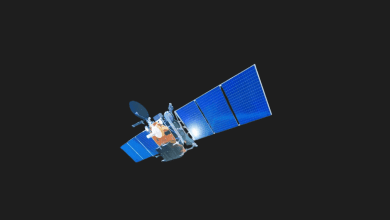
The 47-meter tall three-stage rocket carried CAS500-3, an Earth observation satellite, and a dozen tiny cube satellites accompanying it into orbit.
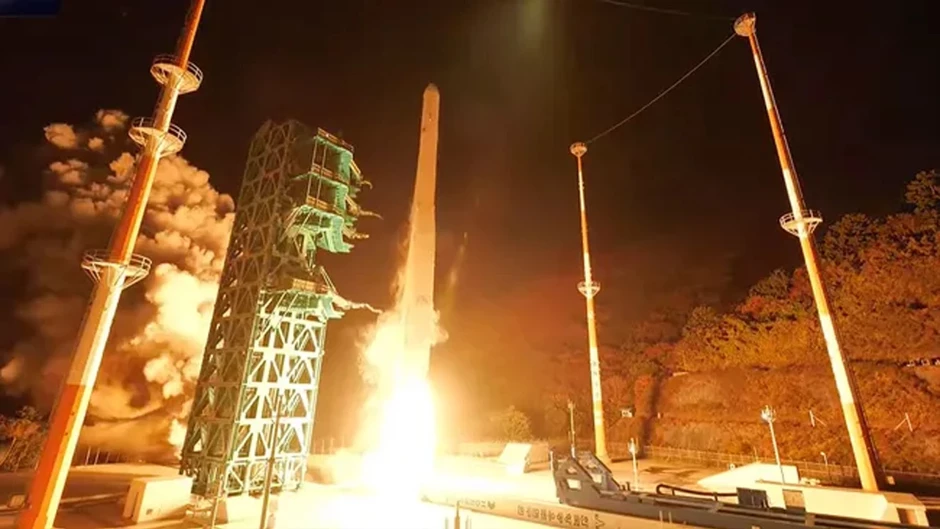
If everything proceeds as planned, CAS500-3 will settle into a Sun-synchronous orbit at an altitude of 600 kilometers above Earth. When this 500-kilogram satellite begins operation, it will study the light rings surrounding our planet’s poles, namely auroras, and other atmospheric phenomena known as airglow. Additionally, according to a statement by the Korea AeroSpace Administration (KASA), established in May 2024, CAS500-3 will also measure magnetic fields and plasma. The 12 secondary cube satellites on the rocket were provided by various companies, academic institutions, and research centers and will undertake different missions in orbit.
Nuri stands out as South Korea‘s first fully indigenous orbital rocket. Although the country’s previous launcher, Naro-1, was able to reach orbit, it used a modified Russian-made Angara rocket for its first stage. While Nuri failed in its first flight in October 2021, it returned with two consecutive successful launches in June 2022 and May 2023. Today’s launch continued this success streak and carries special meaning in other respects as well.
KASA Administrator Yoon Young-bin stated, “Nuri’s fourth launch is significant as it is the first launch since the establishment of KASA and the first launch where a system integration company undertook the general production and assembly of launch vehicles and participated jointly in launch operations.” This demonstrates that South Korea has made progress not only in technology development in the space industry but also in transferring operational responsibilities to the private sector.
You Might Also Like;